Everyday Nutrition Knowledge for Men 30+
An educational resource exploring balanced nutrition perspectives and wellness habits in daily routines. This is an informational knowledge hub, not a consultation service.
Educational content only. No promises of outcomes.

Knowledge Overview
This educational platform provides general information about nutrition principles and lifestyle habits commonly observed in adult men aged 30 and above. The content is designed to explain concepts, not to advise or influence personal decisions.
All materials are presented in an informational context, describing everyday approaches to balanced eating and active living without medical recommendations or personalized guidance.

Lifestyle Context
Understanding nutrition in the context of everyday life involves recognizing how food choices fit into broader daily routines. For men in their 30s and beyond, lifestyle patterns often include work schedules, family commitments, and personal activities.
This section explores how balanced eating habits can be understood as part of a holistic approach to daily living, emphasizing information rather than instruction.
The educational materials here describe common patterns and general principles observed in nutrition science literature, presented for knowledge purposes only.
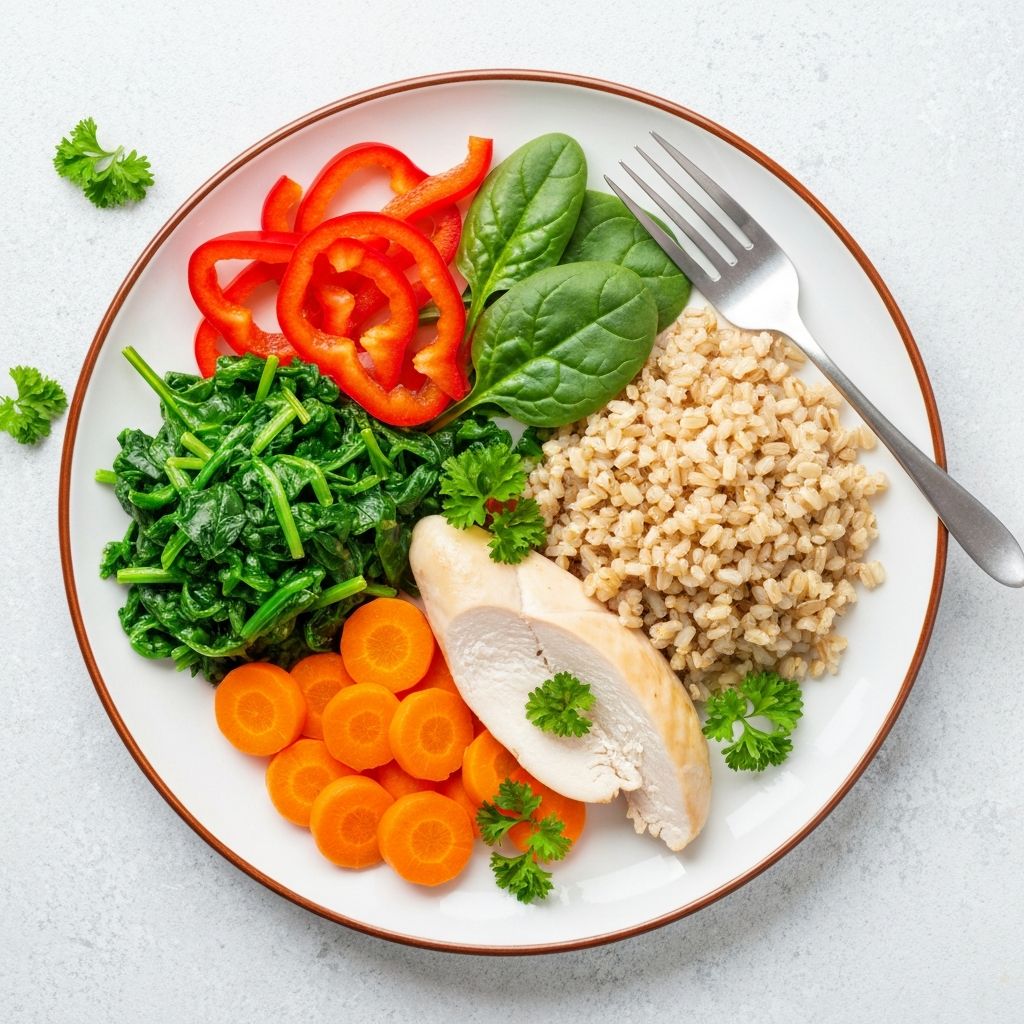
Daily Nutrition Basics
Everyday nutrition involves understanding the role of various food groups in a balanced diet. This includes vegetables, fruits, whole grains, proteins, and healthy fats as foundational elements of meals.
Educational resources explain how these food categories contribute different nutrients that support normal bodily functions. The information is descriptive, outlining what these nutrients do in general terms.
This knowledge hub presents these concepts as educational material for those interested in learning about nutrition principles in everyday contexts.
Balanced Plate Concepts
The concept of a balanced plate is a common educational framework used to illustrate how different food types might be proportioned in a meal. This section explores this concept from an informational perspective.
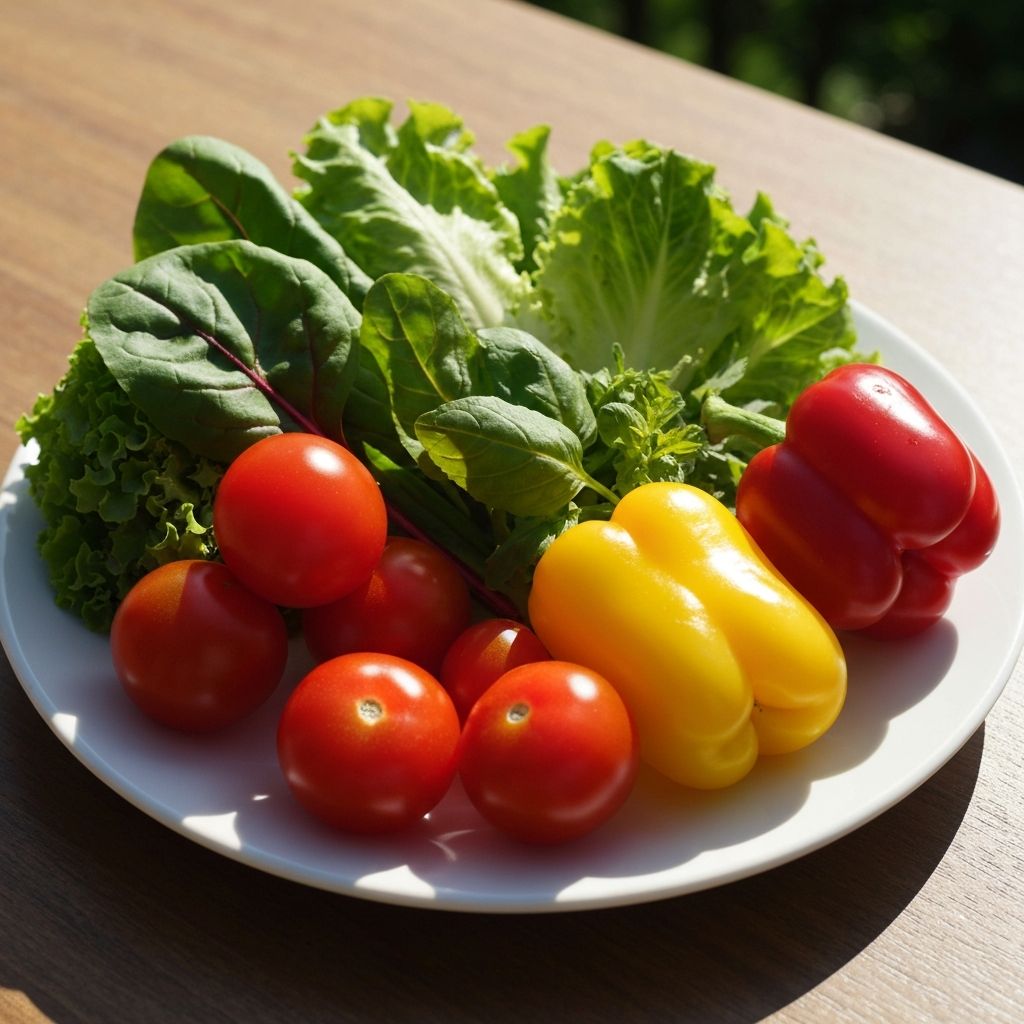
Vegetables and Greens
Vegetables provide various vitamins, minerals, and fiber. Leafy greens, cruciferous vegetables, and colorful produce are commonly included in balanced eating patterns discussed in nutrition education.
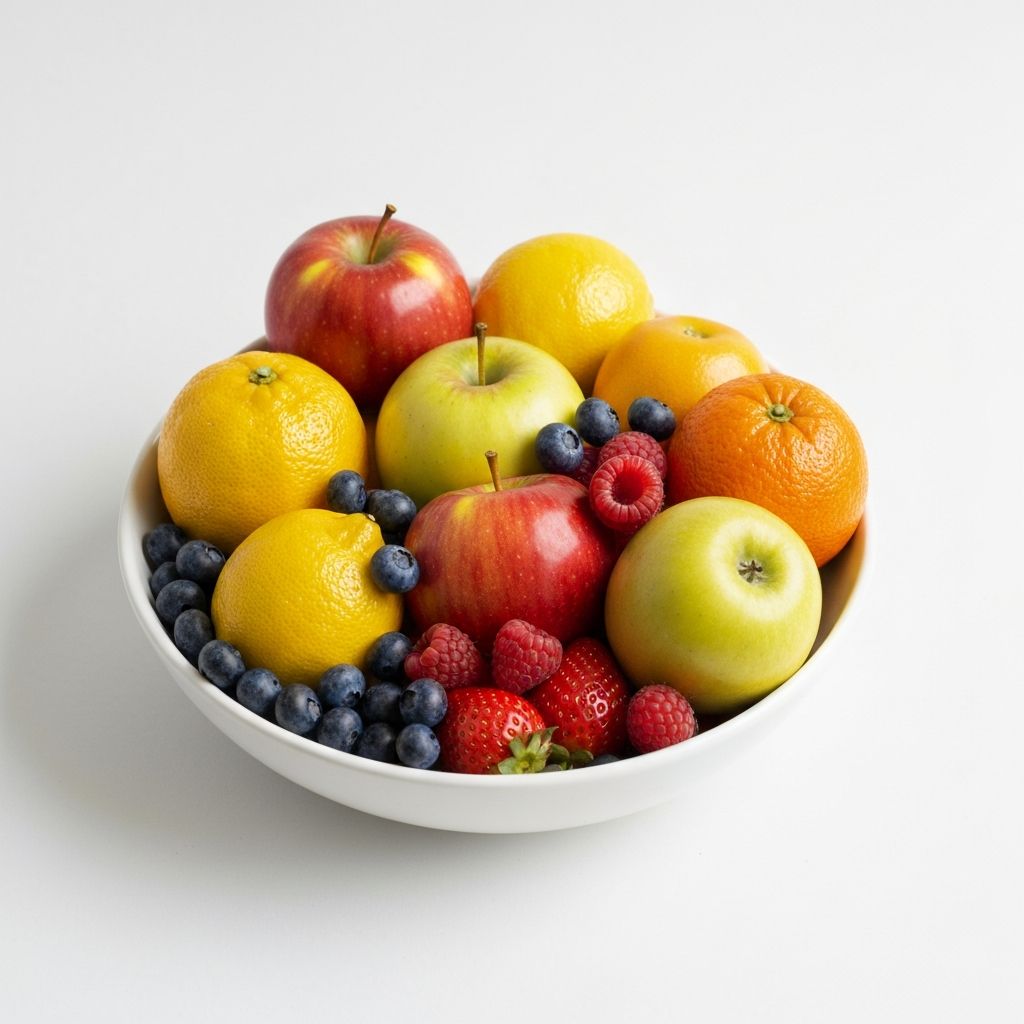
Fruits and Natural Sugars
Fruits contain natural sugars along with vitamins, antioxidants, and fiber. Educational materials often describe fruits as part of a varied diet, contributing to overall nutrient intake.
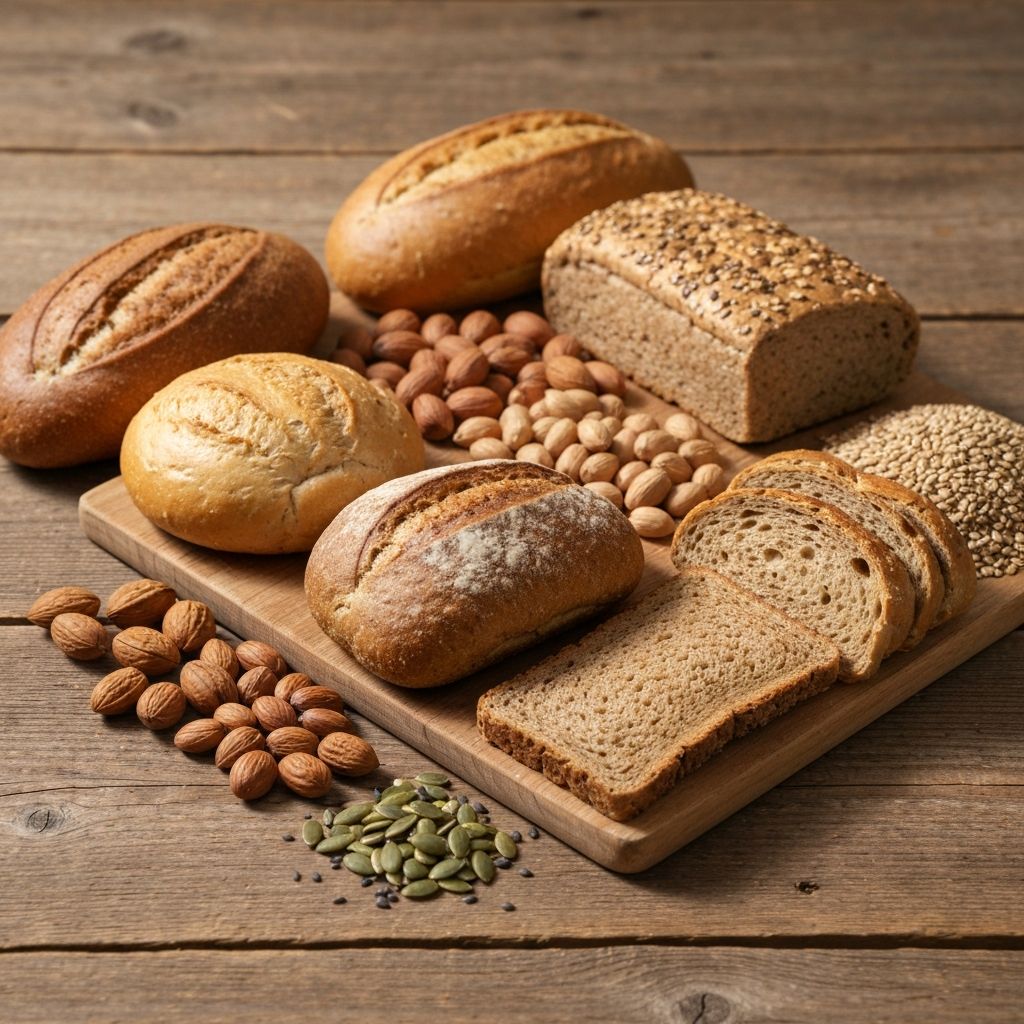
Whole Grains and Healthy Fats
Whole grains and sources of healthy fats like nuts and seeds are discussed in nutrition education as components that provide sustained energy and essential fatty acids.

Natural Ingredients Overview
Understanding natural ingredients involves learning about whole foods in their unprocessed or minimally processed forms. This educational section describes common ingredients found in balanced eating patterns.
Natural ingredients include fresh vegetables, fruits, whole grains, legumes, nuts, seeds, fish, and lean proteins. These are explained in terms of their nutritional composition and role in everyday meals.
The information provided is educational, describing what these ingredients are and how they are commonly understood in nutrition contexts, without recommending specific consumption patterns.
Common Natural Food Categories
Educational overview of natural food categories commonly discussed in nutrition literature for informational purposes.
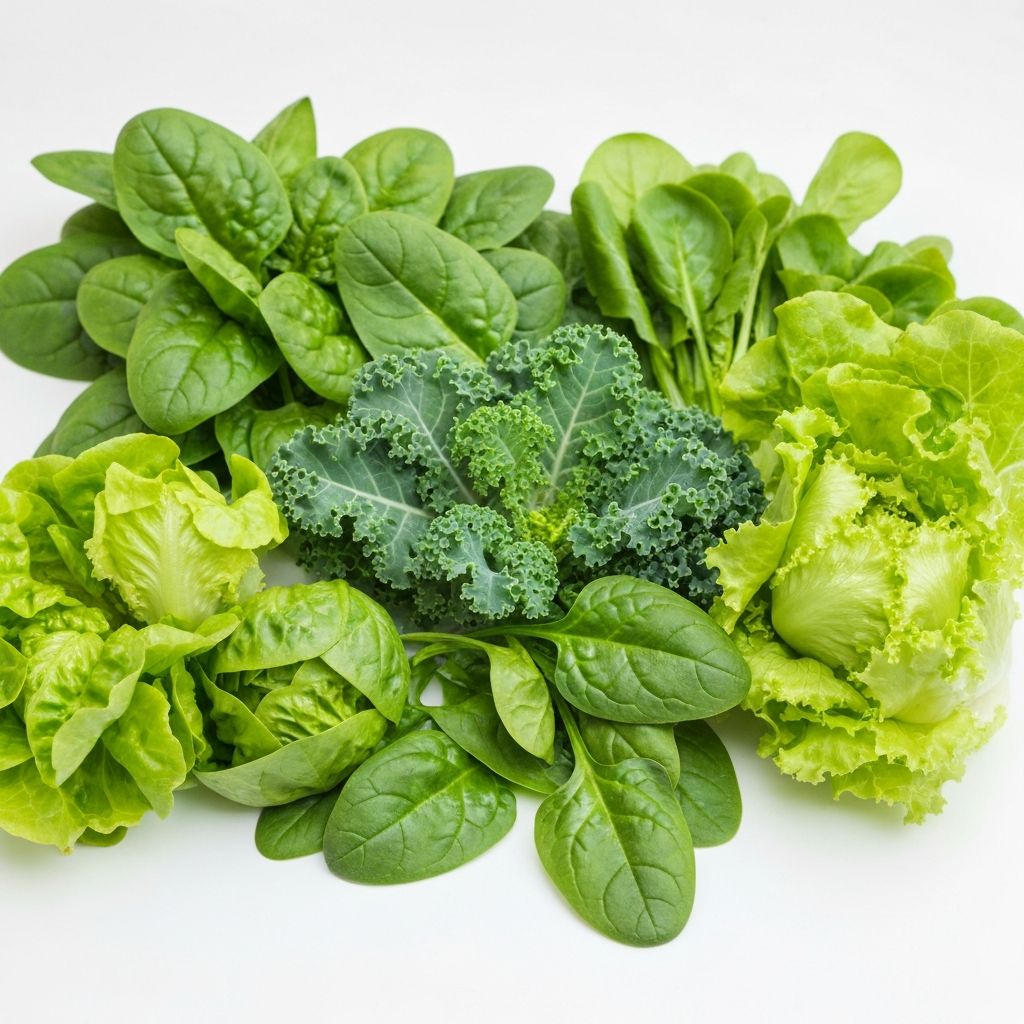
Leafy Greens
Spinach, kale, lettuce, and other leafy vegetables are recognized in nutrition education for their vitamin and mineral content. They are commonly included in salads and cooked dishes.
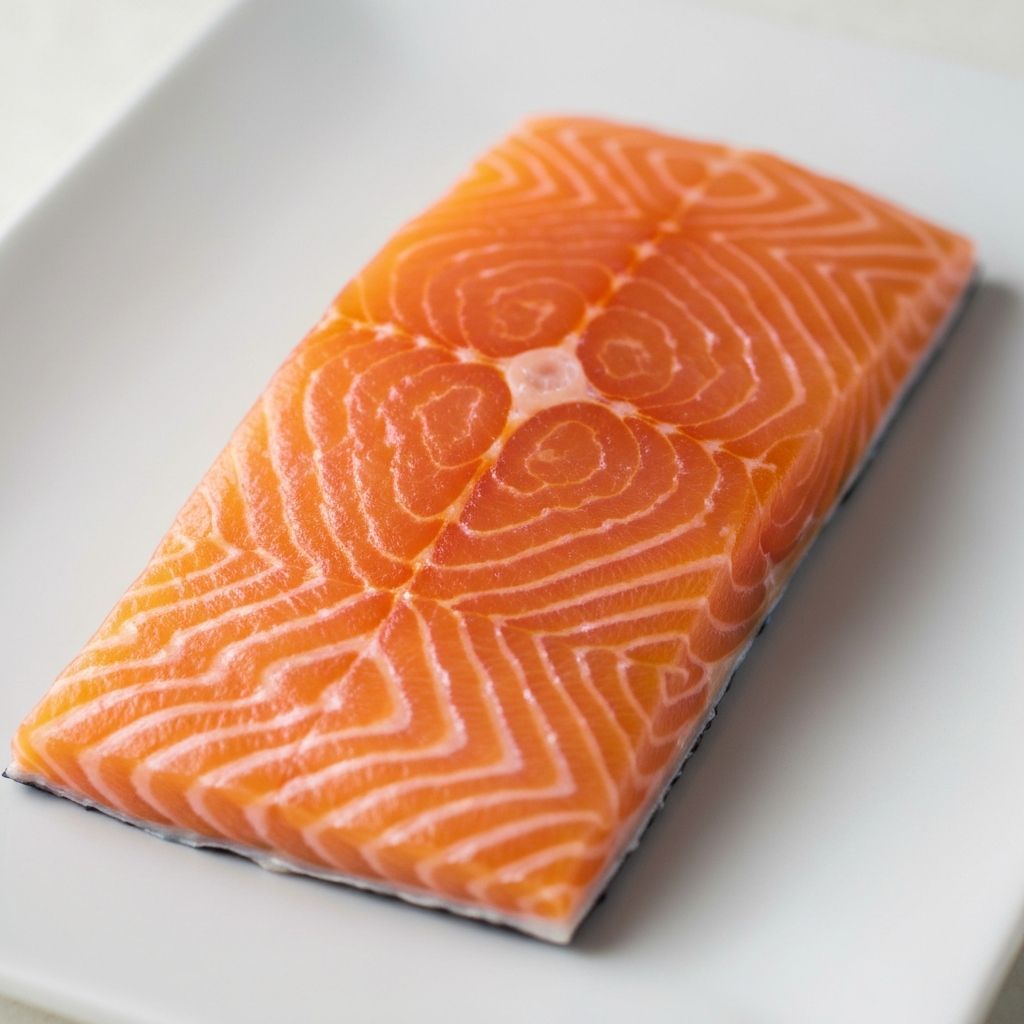
Omega-3 Rich Foods
Fish such as salmon and mackerel are discussed in educational materials as sources of omega-3 fatty acids. These are described as part of varied eating patterns in nutrition literature.
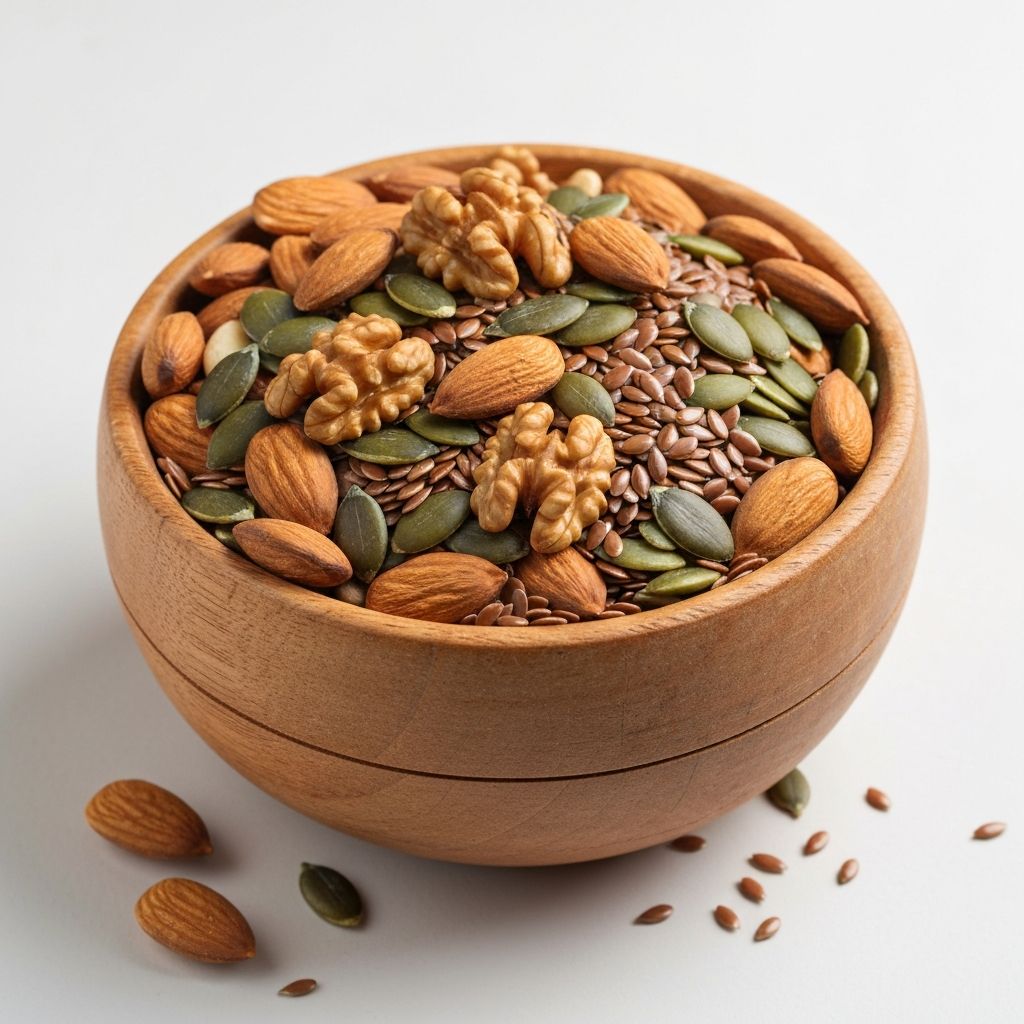
Nuts and Seeds
Almonds, walnuts, chia seeds, and flaxseeds are explained in nutrition education as sources of healthy fats, protein, and fiber. They are commonly mentioned as snack options.

Active Living Perspectives
Active living encompasses everyday physical activities integrated into daily routines. This educational section describes how movement and physical activity are discussed in wellness contexts.
Common activities include walking, light stretching, recreational sports, and routine movement throughout the day. These are explained as general lifestyle components rather than prescribed exercise programs.
The information is presented to explain concepts and provide educational context about how physical activity is understood in relation to overall wellness.

Age 30+ Routine Examples
Everyday routines for men in their 30s and beyond often involve balancing professional responsibilities, personal health habits, and social activities. This section provides educational examples of how nutrition fits into these contexts.
Morning routines might include breakfast with whole grains and fruits, mid-day meals with balanced portions of vegetables and proteins, and evening meals prepared with natural ingredients.
These examples are informational, illustrating common patterns described in lifestyle and nutrition literature without prescribing specific routines or outcomes.
Informational FAQ
What is the purpose of this educational resource?
This platform provides general information about nutrition and wellness concepts in an educational context. It explains principles and describes common approaches without offering personalized advice or recommendations.
Is this information applicable to everyone?
The content describes general concepts and patterns observed in nutrition literature. Individual circumstances vary widely, and this information is not tailored to specific personal situations.
How should I use this educational content?
This material is intended for informational and educational purposes. It explains concepts and provides context about nutrition topics without guiding personal decisions or actions.
What makes balanced nutrition different for men 30+?
Nutrition literature discusses how dietary needs and lifestyle patterns may evolve with age. This educational resource describes these concepts in general terms as they relate to adult men.
Reading Resources
This educational knowledge hub provides overview information about nutrition and wellness topics. For those interested in exploring these subjects further, the following types of resources are commonly available:
- General nutrition textbooks and educational materials
- Published research articles in nutrition science journals
- Government dietary guidelines and public health resources
- Educational content from recognized nutrition organizations
These categories are mentioned for informational context. This platform itself serves as an educational overview rather than a comprehensive research library.
Explore More Educational Content
Continue exploring informational materials about balanced nutrition perspectives and wellness concepts for adult men. All content is educational and descriptive in nature.
Learn More About This ResourceInformational Context and Limitations
All content on this educational platform is provided for informational purposes only. The materials describe general concepts, patterns, and principles observed in nutrition and wellness literature.
This resource does not provide personalized recommendations, medical advice, or individualized guidance. The information is not tailored to specific personal circumstances, health conditions, or goals.
Individual approaches to nutrition and wellness vary widely based on numerous factors. This educational content explains concepts without influencing personal decisions or suggesting specific actions.
For personalized guidance related to nutrition, health, or lifestyle changes, individuals should consult with qualified professionals who can assess their specific situations.